
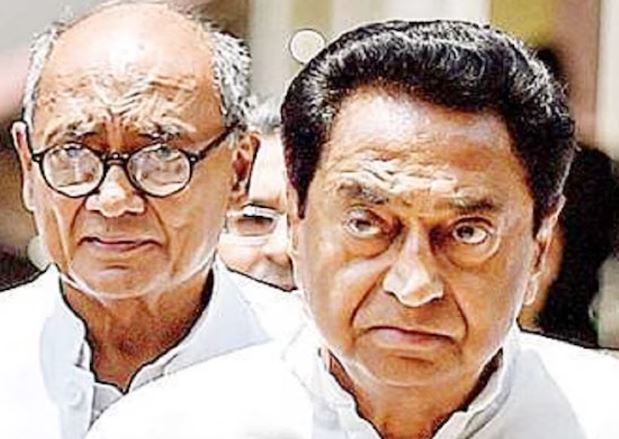
 New Delhi: Former Madhya Pradesh Chief Minister Digvijay Singh, the “Chanakya” of Madhya Pradesh politics, has suddenly announced that he will not contest the Rajya Sabha, causing a stir in political circles. Singh’s term ends in April, but his announcement has already sparked a wave of debate within the Congress party, from Delhi to Bhopal. Political circles are discussing Digvijay Singh’s sudden disillusionment with the Rajya Sabha. Questions have also arisen as to who the Congress will send to the Rajya Sabha from Madhya Pradesh in his place.
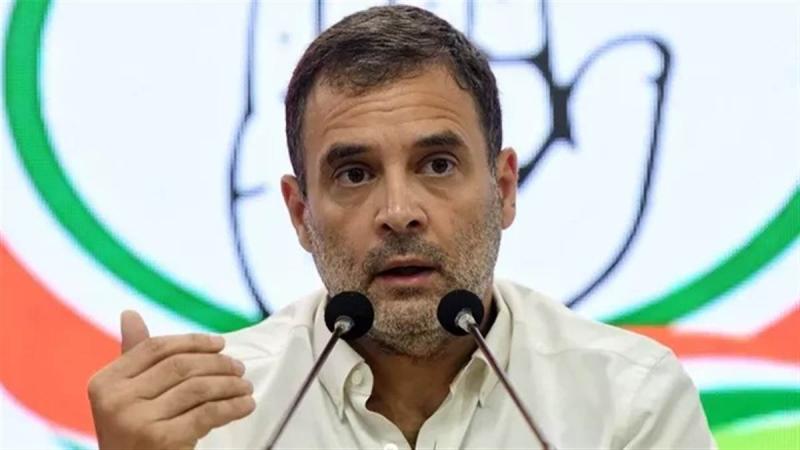
Media reports, quoting party sources, have stated that Digvijay Singh’s decision is not a personal one, but part of the strategic thinking of the Congress’s top leadership. This move is linked to the new political roadmap for the Congress party, which Rahul Gandhi has been trying to implement for the past few years. The party leadership’s focus is no longer limited to playing an aggressive opposition role within Parliament, but rebuilding the organization at the grassroots level has become a priority.
In keeping with this vision, a strategy is being developed to assign senior and experienced leaders to organizational responsibilities and promote younger leaders. It is believed that Digvijay Singh is also being prepared to be relieved of his Rajya Sabha role as part of this strategy and fielded again. Sources suggest that the party may once again entrust Digvijay with a major organizational mission in Madhya Pradesh. His 3,300-kilometer Narmada Parikrama in 2017-18 is still considered a powerful political symbol for the Congress party. This Parikrama not only energized the party’s workers but also gave the party an ideological and emotional boost ahead of the 2018 assembly elections.
There is now talk that another Narmada Parikrama or a similar major public relations campaign could be conducted under Digvijay Singh’s leadership before the 2028 assembly elections, to unite the fragmented organization and provide direction to young workers. Meanwhile, Digvijay Singh’s decision has also intensified the debate about social balance within the Congress party. State President of the Scheduled Caste Cell, Pradeep Ahirwar, has demanded that the Dalit community be represented in the Rajya Sabha this time. He argues that this has been a long-standing expectation of Madhya Pradesh’s approximately 17% Scheduled Caste population. Although Digvijay Singh clarified that ticket decisions are not his responsibility, it is certain that he is vacating his seat.
Kamal Nath is one of the most prominent faces in the Congress party. There is talk that he wants to once again play an active role in central politics. If he stakes his claim, the path for other candidates could be difficult. Jitu Patwari is the current state Congress president. His aggressive stance, active role in the Assembly, and organizational influence make him a strong contender. Arun Yadav, a former Union Minister and former PCC Chief, has acceptance in both the organization and Delhi. Ajay Singh (Rahul Bhaiya), a former Leader of the Opposition, has been waiting for a major responsibility for a long time.
With Digvijay Singh’s resignation, the Rajya Sabha seat, considered Congress’s only safe seat, has now become the center of political competition. Several prominent names have begun to be discussed within the party, and it is believed that lobbying and negotiations in Delhi will intensify in the coming days. The most prominent name is that of former Chief Minister Kamal Nath. There have been occasional indications that he is interested in playing an active role in central politics once again. If Kamal Nath enters the Rajya Sabha race, his political stature and experience will make the path difficult for other contenders.
Madhya Pradesh has a total of 11 Rajya Sabha seats, eight of which are held by the BJP and three by the Congress. Three seats will become vacant in 2026, but given the current strength, only one seat is considered safe for the Congress. This has made the battle for the seat even more interesting, as every senior leader understands that there is only one opportunity and many contenders. Overall, Digvijay Singh’s departure from the Rajya Sabha is seen as part of the Congress’s changing strategy, generational change, and an attempt to re-strengthen its organization in Madhya Pradesh. Now all eyes are on whom the Congress leadership gives a chance on this vacant seat and whether this decision will play an important role in deciding the future direction of the party.