
Diplomatic Crisis: Diplomatic relations between India and Bangladesh are at an all-time low. The exile of Sheikh Hasina, the murder of student leader Hadi, and the lynching of a Hindu laborer have fueled tensions between the two countries.
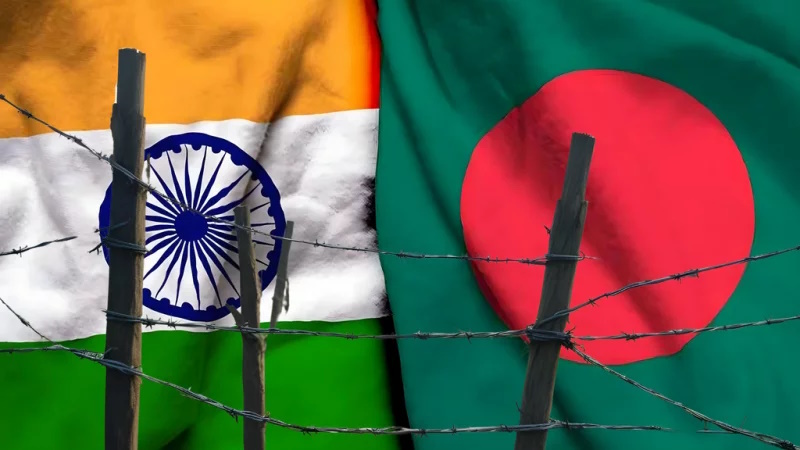 India Bangladesh Tension: India and Bangladesh, once considered close friends, are now experiencing bitterness in their relations (India Bangladesh Diplomatic Tension). Recent traumatic events and diplomatic statements have escalated tensions between the two countries to the point where protests are taking place outside embassies and even visa services have been disrupted. Why is this fire of hatred burning? Let’s understand this in detail. At the root of this entire controversy is the presence of former Bangladeshi Prime Minister Sheikh Hasina in India. On November 17, a Bangladeshi court sentenced Hasina to death for the violence that occurred during the coup. Dhaka has been demanding India’s extradition, while New Delhi has clearly stated that it supports democracy and stability in Bangladesh. Hasina’s presence in India has become a major issue for the current Bangladeshi leadership and protesting students, leading to a rift in bilateral relations between the two countries.
This tension escalated further when student leader Sharif Osman Hadi was attacked in Dhaka’s Gulshan area on December 12th. Shot by masked gunmen, Hadi died in Singapore on December 18th. Hadi’s death added fuel to the fire in Bangladesh. Protesters took to the streets, media outlets were vandalized, and anti-India slogans gained momentum. This incident has made the internal atmosphere in Bangladesh extremely volatile and unsettled.
Amidst the violence that erupted after Hadi’s death, another horrific incident occurred on December 18th. A Hindu laborer named Dipu Chandra Das was brutally beaten to death by a mob on the Dhaka-Mymensingh highway. Furthermore, in a shameful act of humanity, his body was tied to a tree and set on fire. Although it was later revealed that the murder was the result of a workplace dispute, attempts were initially made to give it a religious twist. India’s Ministry of External Affairs expressed deep concern over this “horrific murder” and called it a major failure of the security system.
The violence and protests have directly impacted civilians. Demonstrations erupted outside Bangladeshi embassies in New Delhi, Siliguri, and Tripura, while the Indian High Commission in Dhaka was targeted. Visa services in Chittagong, Siliguri, and Delhi have been indefinitely suspended due to security concerns. The situation has become so serious that both countries have summoned each other’s ambassadors to express their displeasure and security concerns.
Further souring relations between the two countries was a statement by student leader Hasnat Abdullah, who implied that Bangladesh might be supporting separatist forces in India’s northeastern states (the Seven Sisters). Such rhetoric has raised India’s internal security concerns. India has dismissed this as “misleading propaganda” and a conspiracy by extremist elements.
However, a deep chasm of distrust currently exists between India and Bangladesh. While Dhaka blames India for its internal politics, India is concerned about the safety of minorities in Bangladesh and attacks on embassies. Unless the two sides sit down and resolve these disputes, there is little hope for peace between these two important South Asian neighbors.