New Delhi: Air pollution in the national capital Delhi and its surrounding areas in the National Capital Region (NCR) is reaching alarming levels. A new study by the environmental research organization Centre for Science and Environment (CSE) reveals that with the onset of the 2026 winter season, air quality has significantly deteriorated, registering the highest pollution levels in the past three years. The report points out that the concentration of hazardous fine particulate matter in Delhi's atmosphere from October through the first week of November rose sharply compared to previous years. Concern is heightened by the fact that pollution had already reached severe levels even before Diwali. Typically, air pollution increases during Diwali due to fireworks, but this year elevated concentrations of pollutants were present ahead of the festival itself.
According to Anumita Roychaudhary, Executive Director of CSE’s Research and Advocacy division, while pollution spikes during Diwali are a regular phenomenon in Delhi, the 2026 situation differs markedly. The increased levels of fine particulate matter before the festival clearly indicate a rise in the city’s baseline pollution. The most significant finding in the CSE report is the unusual spike in atmospheric PM2.5 levels. In the week just before Diwali 2026, Delhi’s average PM2.5 concentration reached 236 micrograms per cubic meter (µg/m³), the highest recorded for this period in three years. This represents a 97% increase compared to the same timeframe in 2025 and approximately a 32% increase compared with the 179 µg/m³ recorded in 2024.
These figures suggest that Delhi’s air pollution problem is becoming increasingly complex year after year. PM2.5 refers to ultrafine particles measuring 2.5 micrometers or less in diameter, which can penetrate deep into the lungs and even enter the bloodstream. Prolonged exposure to such pollution has been linked by health experts to increased risks of asthma, respiratory and cardiac diseases. Vulnerable groups include children, the elderly, pregnant women, and individuals with existing respiratory or heart conditions.
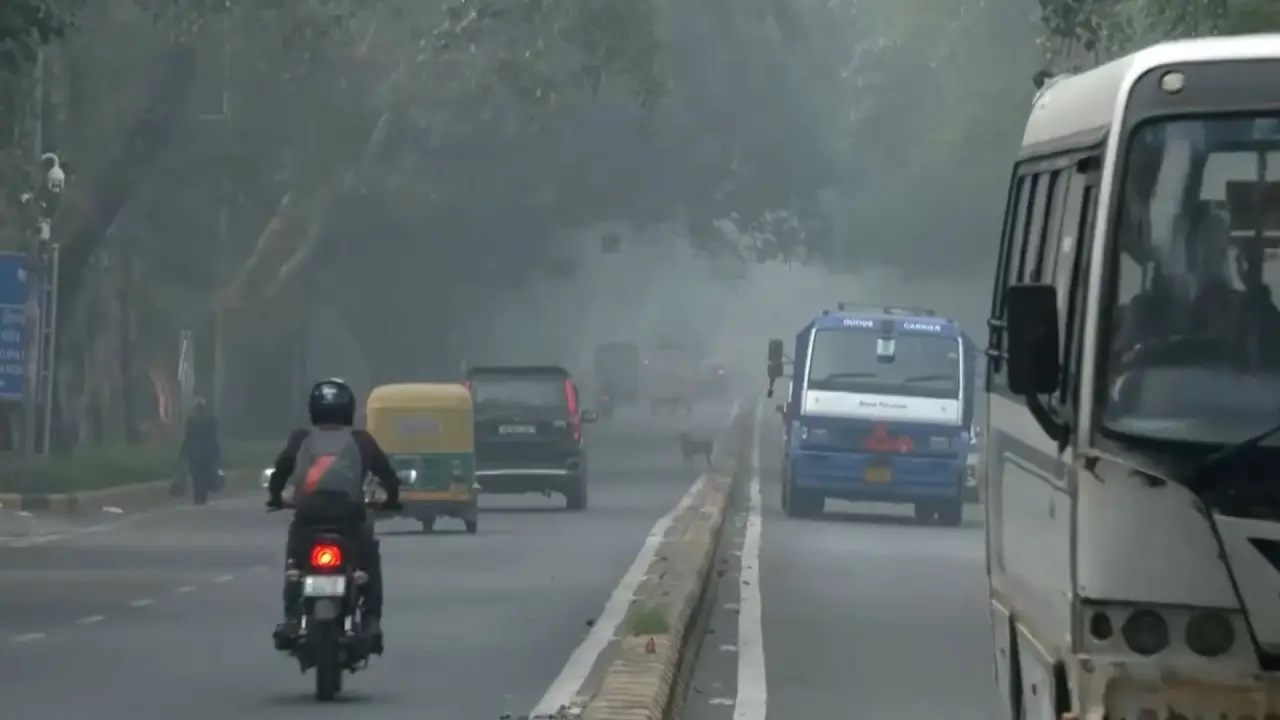
The CSE study integrates air quality monitoring data from the Central Pollution Control Board (CPCB), pollution source information from the Indian Institute of Tropical Meteorology (IITM), and traffic congestion data from TomTom. Vehicle emissions are identified as a key contributor to Delhi’s worsening air quality. The growing number of vehicles, severe traffic jams, and prolonged idling on roads increase emissions of pollutants and particulate matter. According to CSE Deputy Programme Manager Sharanjit Kaur, pollution levels in Delhi during the months leading up to winter 2026 generally exceeded those recorded during the same period in 2025. Late September rainfall temporarily eased pollution levels, but this respite was brief as pollution surged sharply again with the approach of Diwali. Traffic data analysis indicates that pollution from vehicles correlates with worsening congestion.
Apart from exhaust emissions, dust storms raised from roads also adversely affect the air quality. People living or working near busy roads are at higher risk of daily exposure to intense pollution. Discussions around Delhi’s air pollution often focus on stubble burning in Punjab and Haryana and Diwali firecrackers as major contributors. However, the CSE report cautions against attributing the crisis solely to these factors. During winter, lower temperatures and reduced wind speeds limit the dispersion of pollution particles, causing pollutants emitted from vehicles, industries, construction activities, and waste burning to accumulate in the lower atmosphere. Under such conditions, additional pollution from firecrackers and crop residue burning exacerbates the situation.
The report notes that while the contribution of stubble burning to pollution increased at certain points during the study period, the persistence of high pollution levels despite fewer agricultural fires highlights the urgent need to control ongoing pollution sources within the city and its environs. The effectiveness of emergency measures implemented in Delhi, such as restrictions on vehicles older than the BS-VI emission standard, has also been questioned. The study found these restrictions did not achieve the expected significant reduction in traffic congestion or vehicle emissions.
Anumita Roychaudhary emphasized the necessity of continuous year-round interventions to tackle Delhi’s air pollution. She criticized the current approach which intensifies controls only when pollution reaches dangerous levels in winter, describing it as insufficient. Early restrictions on emissions from vehicles, industries, construction work, and other major pollution sources throughout the year would mitigate the severity of winter pollution crises. Alongside regulating seasonal pollution sources like Diwali firecrackers and agricultural burning, sustained measures targeting persistent urban pollution sources are crucial.
The CSE report delivers a key warning that air pollution in Delhi is not a temporary crisis linked solely to Diwali celebrations or winter weather conditions, but a severe, year-round environmental and public health challenge. The record-high PM2.5 levels of 2026 underline the urgent need to strengthen existing pollution control measures. Without long-term actions addressing the fundamental causes of pollution, the winter air pollution emergency in the Delhi-NCR region is likely to recur in future years.
n
Original Malayalam report: Malayalam Daily News