
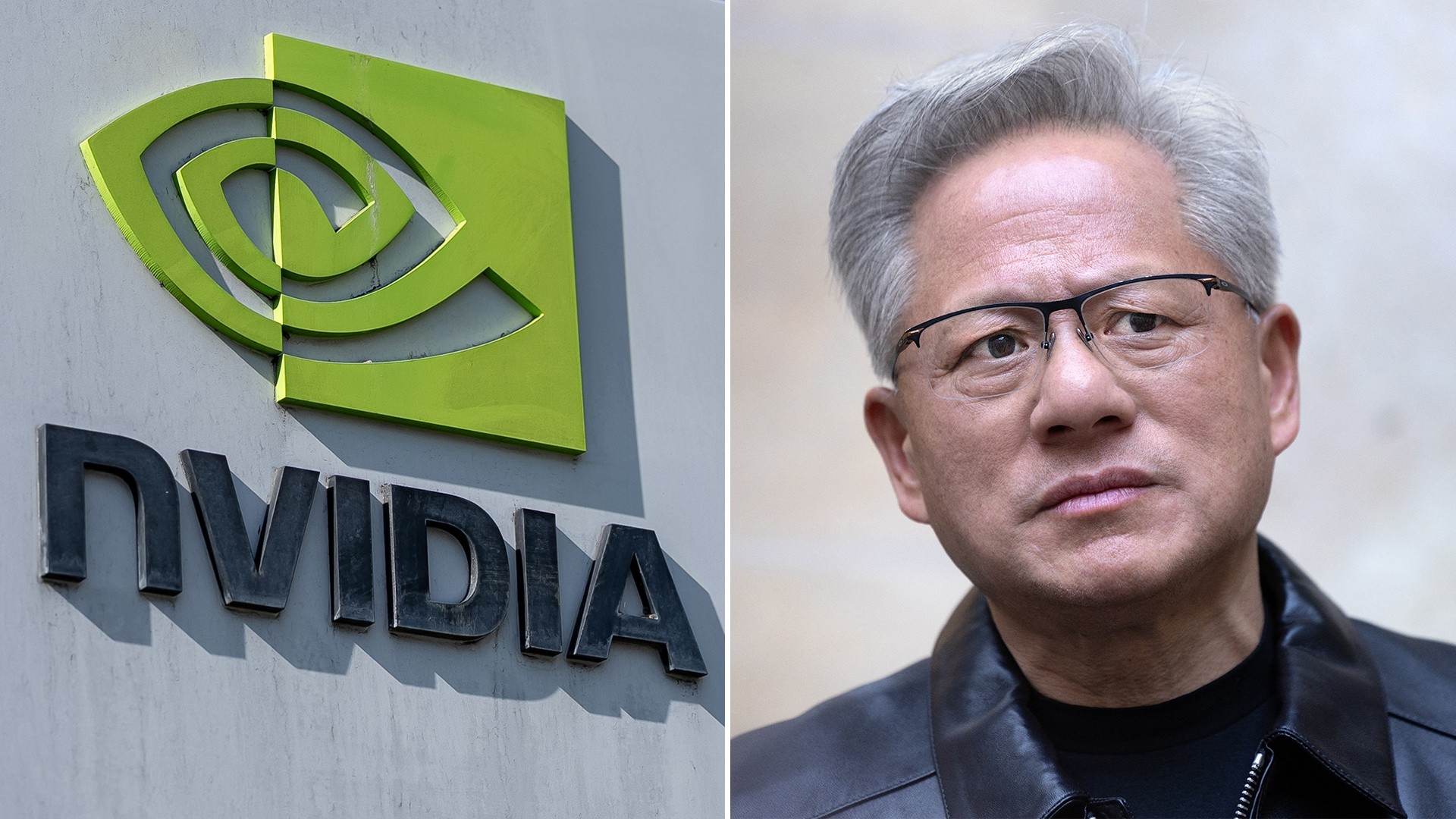
Controversies surrounding Jensen Huang, the former CEO of NVIDIA, a leading global technology company, have escalated to a new level. Reports about his personal relationships with three women have emerged, prompting investigations into potential ties with Chinese intelligence agencies. Concerns have mounted over whether highly sensitive American technological information has been transferred to Chinese hands.
In this context, three members of the US House of Representatives have requested clarifications from Huang. Meanwhile, NVIDIA’s board of directors has reportedly initiated an independent investigation into the allegations. New reports indicate Huang had a close relationship with an additional female employee whose identity has not yet been disclosed. Earlier reports had revealed his relationships with two women named Alice Huang and Kimberly Powell.
Alice Huang was a former executive at MegaSpeed, a cloud company headquartered in Singapore, and is reportedly connected with Chinese business sectors. Kimberly Powell was a vice president in NVIDIA’s healthcare division. These revelations have not only fueled discussions about Huang’s personal life but have also raised serious concerns about the company’s information security.
US investigators are primarily focusing on Alice Huang’s activities amid suspicions that she might have connections with Chinese espionage networks. While China has denied espionage allegations, Alice’s past association with MegaSpeed—an entity involved in transactions concerning NVIDIA’s cutting-edge artificial intelligence chips—could be pivotal to the inquiry.
Investigative agencies suspect MegaSpeed may have facilitated the shipment of AI chips subject to US export controls to China. Authorities are examining whether such deals occurred and if any classified NVIDIA technology was illicitly transferred. Given the gravity of the matter, three Republican members of the House—Foreign Affairs Committee Chairman Brian Mast, Special Committee on China Chairman John Moolenar, and House Intelligence Committee Chairman Rick Crawford—have led efforts to demand an explanation from Huang. Reports indicate that Huang was asked to appear for questioning on November 4.
Lawmakers aim to complete Huang’s deposition before the Thanksgiving recess. The questioning will be conducted behind closed doors without public access, and the sworn testimony will be recorded both in writing and on video. Should Huang refuse to cooperate, lawmakers may resort to legal actions, including issuing subpoenas.
Congressional committees are also considering questioning other senior NVIDIA executives. The central question in the investigation is whether US strategic technologies, particularly AI chips, have been compromised and accessed by Chinese intelligence agencies. Furthermore, they are investigating if Huang’s personal relationships have compromised NVIDIA’s security protocols or the protection of its classified information.
Amid intensifying controversy, NVIDIA’s board has engaged independent legal experts to conduct a thorough internal investigation to verify the allegations and assess whether any internal security lapses occurred. As a dominant player in the global AI chip market, NVIDIA’s technological data security is of critical concern to the US government and the technology sector alike.
At this stage, the allegations have not been confirmed by ongoing investigations. Greater clarity regarding the facts will emerge following the results of inquiries by the Congressional committees and the NVIDIA board.
n
Original Malayalam report: Malayalam Daily News