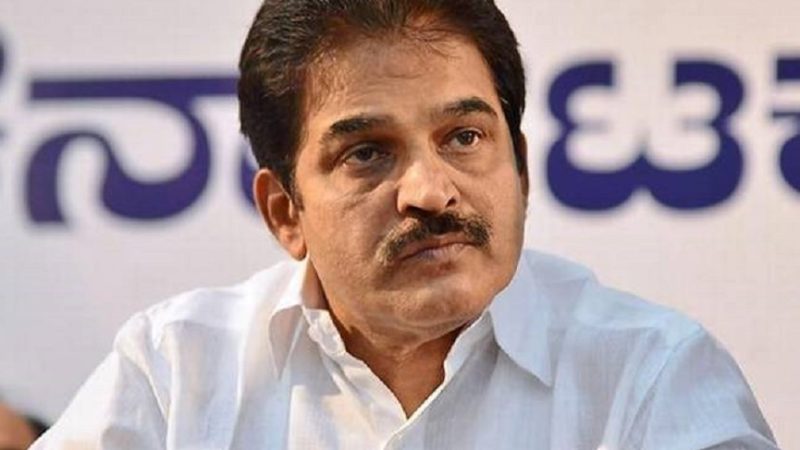
 Kozhikode: The Indian Union Muslim League (IUML) has hardened its stance against the faction led by Congress General Secretary (Organisation) K.C. Venugopal. The League leadership has reportedly taken a firm decision not to succumb to alleged political pressure tactics and continued marginalisation by the Venugopal faction within the Congress. The party has decided to counter such moves politically and bring its grievances directly to the attention of the Congress high command.
The League leadership’s primary grievance is that the party has not been receiving adequate recognition and representation in various Congress-led political programmes at the national level. It alleges that the IUML was sidelined during protests against several policies of the BJP-led Central government and demonstrations against Chief Election Commissioner Gyanesh Kumar. The League leadership believes that these incidents were not accidental but part of a calculated political strategy by the K.C. Venugopal faction.
Taking serious note of the developments, the Muslim League leadership directly lodged a complaint with senior Congress leader Rahul Gandhi. The party reportedly brought to his attention the alleged marginalisation it has faced in national-level political programmes and the pressure tactics employed by a section of the Congress leadership.
Following the complaint, Rahul Gandhi personally contacted the Muslim League leadership over the phone and reportedly sought detailed information regarding the circumstances surrounding the ongoing disputes and grievances. Rather than allowing the issue to remain confined to discussions at the state level, the IUML is seeking a resolution through the intervention of the Congress national leadership.
As part of its strategy to respond firmly to the alleged political manoeuvres against it, the Muslim League has reportedly decided to adopt a policy of non-cooperation towards Congress leaders affiliated with the K.C. Venugopal faction.
The party is understood to have decided against inviting leaders such as A.P. Anil Kumar and T. Siddique, along with ministers and MLAs closely associated with the Venugopal faction, to its official programmes.
The Muslim League maintains that mutual respect and adequate political recognition must be ensured within the alliance framework. Its latest move is intended to convey a clear message that attempts to undermine the political significance of coalition partners as part of internal factional rivalries within the Congress will not be tolerated.
As a major constituent of Kerala’s opposition alliance, the United Democratic Front (UDF), the Muslim League’s decision to openly adopt a non-cooperation approach towards an influential faction within the Congress could have significant implications for the alliance’s internal political dynamics.
The approach adopted by the Congress high command in resolving the existing differences will also be crucial in determining the future course of relations between the two parties.
Political observers are now closely watching whether Rahul Gandhi’s intervention will pave the way for reconciliation talks or whether the tensions between the Muslim League leadership and the Venugopal faction will intensify further.